Sports Massage: Training Smarter, Recovering Faster
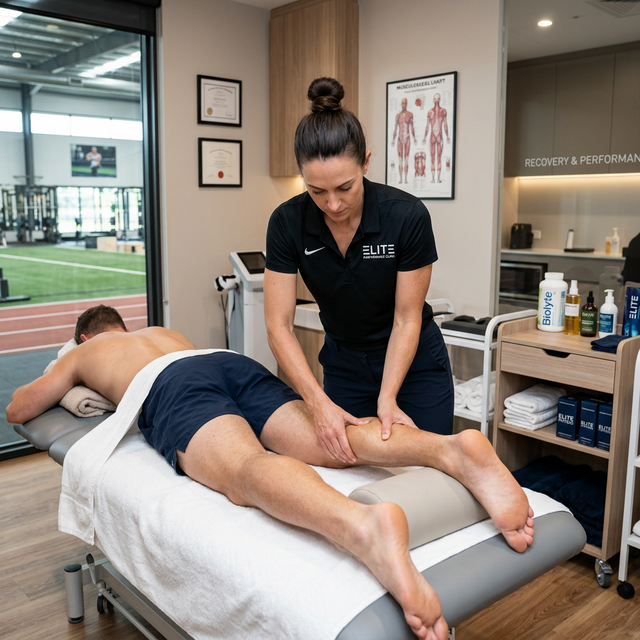
The difference between elite performance and an early exit from the field often comes down to the quality of one's recovery. For the modern athlete—whether a professional contender or a dedicated weekend warrior—sports massage has evolved from a simple post-game luxury into a vital biomechanical intervention.
Sports massage is not a "feel-good" session in the traditional sense. It is a targeted, physiological maintenance program designed to address the specific stresses of athletic endeavor. In this comprehensive guide, we explore the science behind athletic recovery, the strategic timing of sessions, and how to use massage as a weapon for injury prevention.
The Three Pillars of Sports Massage
To maximize the impact of massage on performance, we must categorize sessions into three distinct phases: Pre-Event, Inter-Event, and Post-Event. Each follows a unique protocol designed to support the body’s state at that specific moment in the training cycle.
1. Pre-Event: The Bio-Mechanical Primer
Conducted within 48 hours of a competition, pre-event massage is fast, vigorous, and superficial. The goal is to stimulate circulation, increase the temperature of the muscle tissue, and prime the nervous system for intensity. Unlike a deep tissue session, which can leave a muscle feeling "heavy" as it repairs, a pre-event session leaves the athlete feeling light, mobile, and mentally alert.
2. Inter-Event: Maintaining the Momentum
For athletes in multi-day tournaments or high-frequency training blocks, inter-event massage focuses on rapid metabolic flushing. The techniques are designed to move stagnant lymph and reduce the buildup of lactic acid without inducing deep tissue trauma.
3. Post-Event: The Recovery Accelerator
The post-event session is where the "heavy lifting" of recovery happens. Usually conducted 24 to 72 hours after peak exertion, this session addresses the micro-tears in the muscle fibers and the general inflammation caused by high-intensity movement (DOMS). This is the time for deep, slow compression to reset muscle length and ensure that scar tissue doesn't build up in suboptimal patterns.
Injury Prevention vs. Injury Management
The greatest tragedy in sports is the preventable injury. Most soft tissue injuries—strains, sprains, and tears—are the result of chronic imbalances that have been ignored. A regular sports massage acts as a "diagnostic scan" for the body. A skilled therapist can feel the subtle changes in tissue density that indicate a looming issue.
By identifying and releasing these "silent" adhesions before they cause a crisis, athletes can maintain a consistent training schedule. Furthermore, for those already recovering from surgery or a tear, rehabilitative massage is essential for ensuring that the newly formed collagen (scar tissue) remains flexible and aligned with the muscle's natural direction of pull.
The Psychology of the Finish Line
Athletic performance is as much about the mind as it is about the body. The psychological benefit of "enforced downtime" in a massage session cannot be overstated. By inducing a parasympathetic state, sports massage reduces pre-game anxiety and helps an athlete transition out of the high-stress environment of competition.
In summary, whether you're aiming for a podium finish or simply looking to stay active and pain-free, sports massage is your most reliable ally. It bridges the gap between training and recovery, ensuring that your body is always ready for the next challenge.
Fuel Your Next Performance
Book a session with a specialized sports therapist from our elite directory.
Find a Sports Therapist